Sunlight dances across the turquoise waters of Sumbawa, casting a warm glow on the vibrant coral reefs below. The island awaits, promising adventure and discovery for those who arrive at the right time.
April to October: The Prime Dry Season
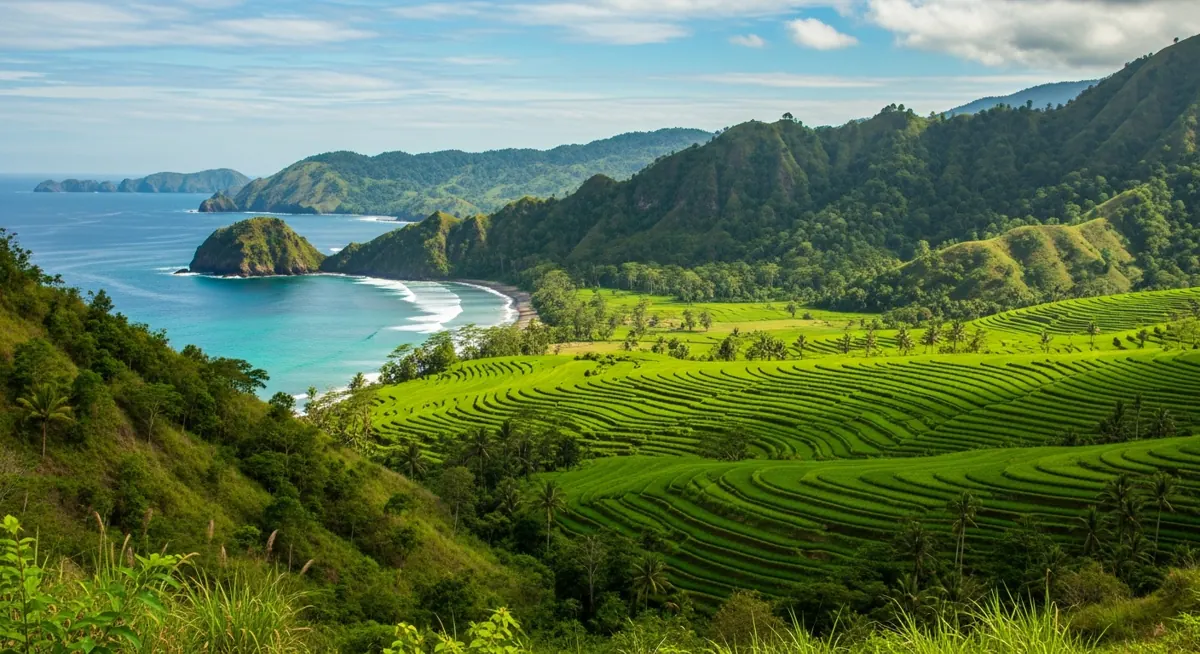
From April to October, Sumbawa experiences its dry season, offering ideal conditions for travel. With an average temperature ranging from 28°C to 32°C, the island is warm but comfortable. Rainfall during these months is minimal, averaging just 20-60 mm per month, ensuring that outdoor activities and travel plans are rarely disrupted. This period coincides with the peak travel season, partly due to the calm seas that make it perfect for diving and snorkeling enthusiasts. The waters around Sumbawa are known for their clear visibility, often exceeding 30 meters, making it an ideal time to explore the vibrant marine life and coral gardens. Sumbawa’s location, part of the Lesser Sunda Islands, is renowned for its biodiversity, attracting divers from around the globe, eager to explore its underwater treasures.
Monsoon Season: November to March
While the monsoon season from November to March brings increased rainfall, it also provides a different perspective on Sumbawa’s natural beauty. During these months, the island receives between 100-300 mm of rain monthly, transforming the landscape into lush greenery. Despite the rains, temperatures remain mild, ranging between 25°C and 30°C. It’s during this time that the island is less crowded, offering a quieter experience for travelers. However, the weather can be unpredictable, with sudden rain showers and occasional storms affecting travel plans and sea conditions. For those planning a trip during these months, it’s advisable to keep flexible itineraries and consult local forecasts regularly.
Optimal Diving Conditions
Sumbawa is a diver’s sanctuary, and timing your visit with the right season enhances the experience. From May to September, the island’s waters offer superb diving conditions. The visibility during these months can reach up to 40 meters, providing divers with spectacular views of the coral reefs and marine life. The island is part of the Coral Triangle, an area known for its extraordinary marine biodiversity, including over 600 species of reef-building corals. Additionally, the dry season attracts migratory species such as manta rays and whale sharks, offering singular encounters. It’s important to book diving trips in advance, especially during peak months, as spaces tend to fill up quickly. Notable dive sites include Angel Reef, Panjang Reef and Bubble Reef, each offering unique encounters with marine life. For those seeking PADI certification, several dive centers on the island offer courses ranging from beginner to advanced levels, ensuring a safe and educational experience.
Cultural Festivals and Events
Visiting Sumbawa during specific cultural festivals can add a rich dimension to your trip. The island hosts several events throughout the year, with the dry season being a highlight for many. The “Saka New Year” festival, celebrated in March or April, marks the beginning of the Balinese calendar year with colorful processions and rituals. Additionally, the “Sumbawa Horse Racing Festival” held between July and September, showcases the island’s equestrian traditions that date back centuries. These events offer a unique glimpse into the local culture, allowing travelers to engage with the community and partake in local customs. It’s a vibrant time to be on the island, with cultural experiences awaiting.
Planning Your Trip: Practical Tips
When planning a sumbawaprivatetrip, consider the logistics involved in reaching the island. Sumbawa is accessible via flights from Bali and Lombok, with domestic airlines such as Garuda Indonesia and Lion Air offering regular services. The island’s main gateway is Sultan Muhammad Kaharuddin III Airport, located near Sumbawa Besar. For those preferring sea travel, ferries connect Sumbawa with the neighboring islands of Lombok and Flores. Accommodations range from budget-friendly guesthouses to luxury resorts, with prices varying accordingly. A mid-range hotel typically costs between IDR 500,000 to IDR 1,500,000 per night. It’s advisable to book accommodations and tours in advance, especially during the peak dry season, to secure the best options.
Exploring Sumbawa by Sea: Yacht and Liveaboard Options
For those looking to explore Sumbawa and its surrounding waters in style, yacht charters and liveaboard trips offer an experience. Liveaboards typically range from 7 to 10 days, providing ample time to explore remote dive sites and uninhabited islands. Boats like the 30-meter “Indo Aggressor” offer luxurious amenities such as air-conditioned cabins, spacious sundecks, and fine dining. Expect to pay around $2,500 to $3,500 per person for a week-long expedition. These trips often include visits to iconic locations like Komodo National Park, a UNESCO World Heritage Site, where you can witness the famed Komodo dragons and pristine beaches. Remember to budget for marine park fees, which can be approximately $10 per day per person.
Ecotourism and Conservation Efforts
Sumbawa is increasingly recognized for its commitment to ecotourism and marine conservation. Efforts are underway to protect the island’s natural habitats and promote sustainable tourism practices. Organizations like the Coral Triangle Initiative are working to preserve the region’s marine biodiversity, offering volunteer opportunities for environmentally conscious travelers. Participating in conservation activities not only benefits the environment but also enriches your travel experience, giving you a deeper understanding of the local ecosystem and the challenges it faces.
Weather and Wildlife: Insider Tips
The weather in Sumbawa can be as unpredictable as it is beautiful. While the dry season is generally stable, occasional weather changes are not uncommon. It’s wise to pack accordingly, with lightweight, breathable clothing and essential rain gear. Wildlife enthusiasts should note that the island’s diverse ecosystems provide habitats for numerous species, including the endangered Komodo dragon found on nearby Komodo Island. These creatures are best observed during the dry season, when they are more active and easier to spot. For those interested in bird watching, Sumbawa’s forests and wetlands are home to an range of bird species, including the critically endangered Yellow-crested Cockatoo. The island’s conservation areas and national parks offer guided tours, providing opportunities to spot these rare animals in their natural habitats.
Comparing Sumbawa’s Travel Seasons
- Dry Season (April to October): Ideal for diving, snorkeling, and attending cultural festivals. Expect sunny days with minimal rainfall and temperatures from 28°C to 32°C. This is the peak travel time, so book accommodations and tours in advance.
- Monsoon Season (November to March): Experience lush green landscapes with less crowded tourist spots. Rainfall is higher, ranging from 100-300 mm per month, with temperatures between 25°C and 30°C. Flexible travel plans are recommended due to unpredictable weather.
Your Next Adventure Awaits
With its diverse offerings and optimal travel conditions, a Sumbawa private trip promises an adventure like no other. If you’re drawn to the island’s rich marine life, cultural festivals, or simply the allure of its landscapes, timing your visit right is key. For personalized itineraries and exclusive private tours, explore our offerings at Sumbawa Private Trip. Your journey to one of Indonesia’s most captivating destinations begins here. To learn more about Indonesia’s diverse travel destinations, visit indonesia.travel and Wikipedia’s Sumbawa page for more insights.
Planning specifics? See full pricing guide or booking details.