Mount Tambora, a towering peak on the island of Sumbawa, Indonesia, offers a compelling trekking experience steeped in both natural beauty and historical significance. Known for its cataclysmic eruption in April 1815, Tambora’s volcanic activity reshaped not only the mountain itself but also had far-reaching climatic effects. Today, adventurers can explore this remarkable landscape via a trek from Pancasila village, while also considering an enriching private boat trip to nearby islands like Moyo and Satonda. This guide provides all the essential information for planning an singular journey to Mount Tambora.
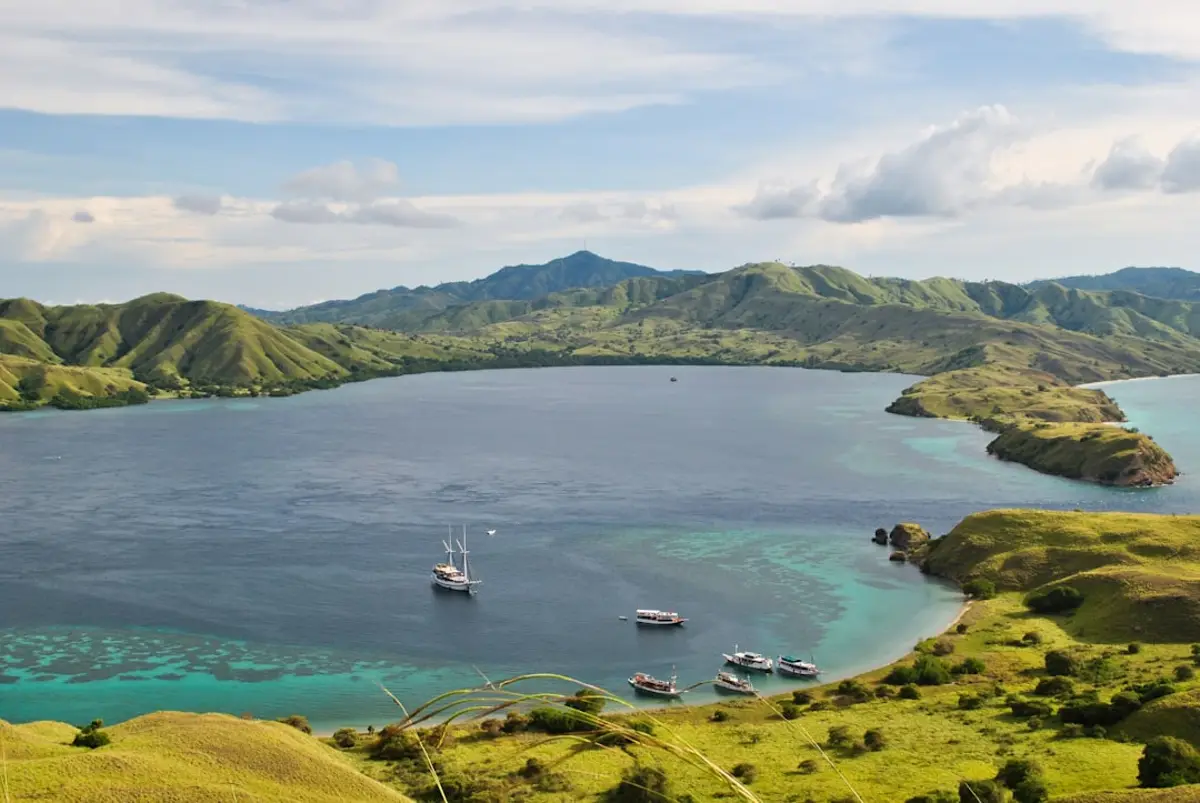
The Mountain Today
Mount Tambora stands at approximately 2,850 meters today, a shadow of its former height before the infamous eruption of 1815. Once towering at about 4,200 meters, the volcano’s explosive event was so powerful that it reduced the summit and formed a vast caldera measuring 6-7 kilometers in diameter. Despite its reduced stature, Tambora remains a dominant feature of the Sumbawa landscape, offering trekkers a unique opportunity to explore a site of immense geological and historical interest.
The Cataclysmic 1815 Eruption
The eruption of Mount Tambora in April 1815 is one of the most significant volcanic events in recorded history, classified as a VEI-7 on the Volcanic Explosivity Index. The explosion ejected enormous volumes of ash and pumice into the atmosphere, leading to the “Year Without a Summer” in 1816. This global climatic anomaly caused widespread agricultural failures and food shortages. The eruption’s impact extended far beyond Sumbawa, affecting weather patterns and societies worldwide.
The Trekking Route from Pancasila Village
The standard trekking route to Mount Tambora’s rim begins in Pancasila village. Trekkers can choose between a 2-day/1-night (2D1N) or a 3-day/2-night (3D2N) itinerary, depending on their pace and preference for exploring the caldera. The trek involves traversing lush forests, rugged terrain, and volcanic landscapes, culminating in sweeping views from the crater rim. The journey provides a fascinating glimpse into the natural processes that have shaped this region over millennia.
- 2D1N Trek: Suitable for those with limited time, this option involves a more intensive hiking schedule, with an overnight camp near the rim.
- 3D2N Trek: A more leisurely pace allows for additional time to explore the caldera and appreciate the surrounding scenery.
Fitness and Guides
Trekking Mount Tambora requires a moderate level of fitness, as the trail includes steep inclines and uneven terrain. It is advisable to engage a local guide who can provide valuable insights into the area’s geology and history, as well as ensure safety throughout the trek. Guides are familiar with the terrain and can tailor the experience to suit different fitness levels and interests.
Best Season for Trekking
The dry season, from May to October, is the optimal time for trekking Mount Tambora. During this period, the weather is generally stable, with less rainfall and clearer skies, enhancing the trekking experience and offering unobstructed views from the summit. The peak months of July to September offer the driest conditions, making them particularly popular among trekkers.
What to Pack
Proper preparation is key to a successful trek. Essential items to pack include:
- Sturdy hiking boots with good grip
- Weather-appropriate clothing, including layers for cooler temperatures at higher altitudes
- Rain gear, as weather can be unpredictable
- Headlamp or flashlight for early morning or evening trekking
- Plenty of water and snacks to maintain energy levels
- Sunscreen, hat, and sunglasses for sun protection
- Personal first-aid kit and any necessary medications
Pairing Tambora with a Private Boat Trip
After conquering Mount Tambora, consider extending your adventure with a private boat trip to nearby islands such as Moyo and Satonda. These islands offer a contrasting experience with lush jungles, striking waterfalls, and vibrant marine life, perfect for snorkeling and relaxation. A visit to Moyo Island is particularly worthwhile, known for its beautiful Mata Jitu Waterfall and pristine reefs.
Saleh Bay, located near Tambora’s peninsula, is renowned for whale shark encounters, providing a thrilling addition to your itinerary. These gentle giants are most reliably seen between May and October, complementing the best trekking season for Tambora.
Getting to Sumbawa
Accessing Sumbawa is relatively straightforward, with several options available:
- Ferry: Regular ferries operate from Labuhan Lombok on Lombok Island to Poto Tano in west Sumbawa. The crossing takes approximately 1.5-2 hours.
- Flights: Domestic flights are available from Denpasar (Bali) and Lombok to Sumbawa Besar or Bima airports, providing convenient access to the island.
From Sumbawa Besar or Bima, travelers can arrange land transport to Pancasila village, the starting point for the Tambora trek.
For those interested in curated itineraries and seamless travel experiences, explore our private trip options or visit our destinations page for more inspiration. To ensure a smooth and memorable journey, consider booking with us today.
What You See from the Rim
Standing at the rim of Mount Tambora, you’re greeted by an awe-inspiring sight. The vast 6-7 km caldera stretches before you, a reflection to the power of the 1815 eruption. Far below, a crater lake shimmers, set within the caldera’s depths. As dawn breaks, the sunrise paints Saleh Bay and Moyo Island in hues of gold and pink, creating a sweeping panorama. On exceptionally clear days, the silhouette of Mount Rinjani on Lombok emerges on the horizon, adding another layer to this striking vista. The experience is both humbling and exhilarating, a reminder of nature’s grandeur.
Combining the Trek with a Private Boat Journey
Mount Tambora’s strategic location on the peninsula wrapping around Saleh Bay makes it an ideal starting point for a combined adventure. Many trekkers choose to extend their journey by adding a 2-3 day private boat trip to explore the nearby islands. From the trek’s end, a boat can whisk you away to the serene landscapes of Moyo Island, with its lush jungles and vibrant reefs. Satonda Island offers a unique experience with its saline crater lake. A highlight is the chance to swim with whale sharks in Saleh Bay, a truly singular encounter. This combination of trekking and sailing offers a diverse and immersive exploration of Sumbawa’s natural wonders. For a tranquil conclusion, consider visiting one of the best beaches in Sumbawa for swimming and sunset, where you can unwind and reflect on your adventure.